Shoe Cleaning Service That Protects Your Pairs

Shoe Cleaning Service

Good pair of shoes rarely looks expensive only on day one. It keeps its edge when the shape holds, the material stays clean, and the finish still looks intentional after real wear. That is where a professional shoe cleaning service makes a visible difference. Not just by removing dirt, but by protecting the structure, texture, and color of the pair you already invested in. For many households, shoe care gets pushed aside because it feels time-consuming and easy to get wrong. Leather can dry out, suede can mark, white soles can yellow, and athletic shoes can lose shape after careless washing. The real value of professional care is not simply appearance. It is knowing each pair is cleaned with the right method, the right products, and the right level of control. Why a shoe cleaning service is worth it Shoes absorb more than surface dust. They collect road residue, moisture, body oils, trapped odors, and fine particles that settle into stitching, linings, and textured materials. A quick wipe can improve the surface, but it usually does not address the deeper buildup that causes dullness, staining, or lingering odor. Professional shoe care works because the process is more disciplined. Different materials require different handling, and that distinction matters. Full-grain leather needs cleaning that lifts soil without stripping natural oils. Suede and nubuck need gentle treatment that protects the nap instead of flattening it. Sneakers often combine mesh, rubber, foam, and synthetic overlays, so one aggressive cleaning step can damage one part while helping another. This is why premium cleaning is less about speed and more about judgment. The best results come from assessing the shoe first, then choosing a treatment that restores it safely. What professional shoe cleaning actually includes A high-quality shoe cleaning service starts with inspection. Before any cleaning begins, the pair should be checked for material type, dye sensitivity, construction details, loose stitching, sole separation, and stain conditions. This prevents avoidable damage and sets realistic expectations, especially for older shoes or deeply set stains. The cleaning stage itself should be fabric-safe and controlled. Rather than relying on one generic detergent, premium services use specialized solutions designed for delicate materials and visible finishes. This matters most for shoes that combine multiple textures or premium uppers. Drying is just as important as washing. Shoes that dry too fast, too hot, or without shape support can warp, harden, or lose their silhouette. Proper drying preserves both comfort and appearance. Finishing is where the result becomes noticeable. This may include brushing suede, conditioning leather, cleaning midsoles, refining edges, and improving presentation so the pair comes back looking cared for, not merely washed. Which shoes benefit most from professional cleaning Not every pair needs advanced treatment after every wear. But some categories are far better suited to professional care than home cleaning. Sneakers and everyday trainers White sneakers show everything. Dust at the toe, gray midsoles, darkened laces, and odor buildup can make an otherwise good pair look worn out long before it actually is. Professional cleaning helps restore brightness and freshness without the rough treatment that often weakens adhesives or distorts the upper. Performance shoes also benefit from careful handling. Mesh panels, foam cushioning, and bonded components do not always respond well to soaking or machine washing. In many cases, gentler methods produce a cleaner result with less structural stress. Leather shoes and formal footwear Dress shoes carry a different kind of risk. Dirt is usually easier to remove, but the finish is easier to damage. Over-cleaning leather can leave it dry or uneven, while the wrong product can darken the surface or create a blotchy appearance. Professional care preserves the polish and texture that give formal footwear its refined look. For work shoes, loafers, and premium leather pairs, that makes a practical difference as well as an aesthetic one. Suede and nubuck shoes Suede is where home cleaning goes wrong most often. Water marks, stiff patches, and flattened texture are common after DIY attempts. A professional process gives suede the patience it requires. The goal is not only to clean the shoe, but to recover the soft, even finish that makes the material appealing in the first place. Seasonal and specialty pairs Boots, occasion shoes, and luxury footwear often spend long periods in storage, then come out needing refreshment before use. A careful cleaning service can remove storage dust, revive presentation, and prepare the pair for wear without rushed, last-minute guesswork. The risks of cleaning shoes at home Home care has its place. A soft brush, a microfiber cloth, and prompt attention to fresh dirt can help extend the life of your shoes between professional cleanings. But there is a clear line between light maintenance and full treatment. The biggest issue with at-home cleaning is inconsistency. People often use too much water, the wrong brush stiffness, or all-purpose cleaners that were never meant for footwear. What seems harmless in the moment can lead to fading, stiffness, glue damage, or visible drying marks after the shoes sit overnight. There is also the question of hygiene. Shoes carry outdoor residue into closets, entryways, and living spaces. A more thorough cleaning process helps reduce that buildup in a way surface wiping simply cannot. What to look for in a premium shoe cleaning service If you are trusting someone with valuable footwear, the service should feel professional from start to finish. That means more than attractive before-and-after photos. Look for clear process control. A reputable provider should separate items properly, assess materials before treatment, and use cleaning methods suited to delicate surfaces. The handling should reflect care, not volume-driven shortcuts. It also helps when the broader operation is built around quality standards. Brands that use certified equipment, disciplined workflows, and fabric-safe cleaning solutions tend to deliver more consistent results across specialty items, including shoes. That level of structure matters because footwear is not cleaned well by guesswork. Convenience should support quality, not replace it. Free pickup and delivery, app-based booking, and reliable scheduling are

Eco Friendly Dry Cleaning That Protects Fabric

Dry cleaning

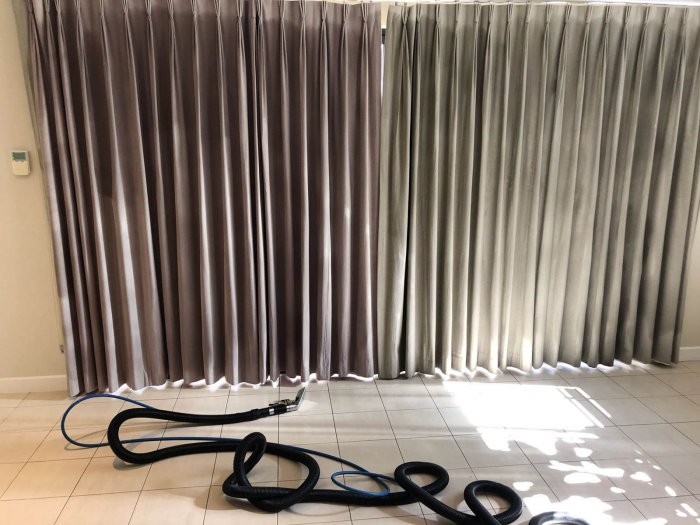
A silk blouse with faint perfume at the collar, a tailored suit after a long workweek, an abaya that needs careful finishing before an event – these are not items you hand over casually. Eco friendly dry cleaning matters because garment care is no longer only about stain removal. It is about how your clothing is treated, what chemicals remain around the fabric, and whether convenience comes at the expense of quality, hygiene, or longevity. For customers who invest in premium wardrobes and well-kept home textiles, the cleaning process behind the service matters almost as much as the result. A pressed jacket may look excellent on the hanger, but the real standard is higher: fabric-safe treatment, controlled processes, dependable hygiene, and a method that is gentler on both garments and the environment. What eco friendly dry cleaning actually means The phrase eco friendly dry cleaning is often used loosely, and that can make it harder for customers to know what they are paying for. In practical terms, it usually refers to a dry cleaning process that avoids older, harsher chemicals and uses safer alternatives, paired with equipment and handling standards designed to reduce residue, waste, and fabric stress. Traditional dry cleaning has long been associated with solvents that clean effectively but raise concerns about odor, chemical exposure, and environmental impact. Eco-conscious alternatives are intended to reduce those concerns while still delivering the polished finish customers expect from professional care. That said, not every “green” claim means the same thing. Some cleaners may switch solvents but keep inconsistent garment sorting or weak finishing standards. Others may market sustainability while overlooking what matters most to customers with delicate clothing: whether the process protects wool, silk, embellishments, linings, and color integrity. A truly premium service balances both priorities. Why eco friendly dry cleaning is worth it for premium garments Luxury and delicate fabrics respond best to controlled treatment. The wrong solvent, poor temperature management, or rough finishing can shorten the life of a garment long before visible damage appears. Fibers can weaken, trims can lose structure, and dark shades can start to look tired. Eco friendly dry cleaning is appealing not only because it can be gentler from an environmental standpoint, but because it often aligns with a more disciplined care model. When a cleaner invests in certified machinery, dedicated cycles, proper stain assessment, and quality control, garments tend to come back looking sharper and lasting longer. For busy households and professionals, there is another advantage. Clothing and home textiles are used close to the skin and stored in enclosed spaces. A cleaner process with lower odor and better handling contributes to a fresher, more comfortable experience after delivery. That difference is easy to notice with businesswear, children’s items, blankets, curtains, and occasion pieces. How eco friendly dry cleaning works in practice The best results start before any machine is switched on. Professional garment care begins with inspection. Stains are identified, fabric composition is checked, and details such as beading, pleats, lace, lining, and buttons are assessed. This step is especially important for abayas, suits, bridal items, and wool garments where one incorrect process can create permanent change. From there, garments are sorted according to color, fabric, and treatment requirement. This sounds basic, but it is one of the clearest markers of a meticulous operation. Eco friendly dry cleaning is most effective when it is part of a structured workflow rather than a generic one-size-fits-all system. The cleaning stage uses alternative solvents or lower-impact cleaning solutions selected to lift oils, odors, and stains while reducing the harshness associated with older methods. The finishing stage is just as important. Pressing, steaming, reshaping, and packaging should restore presentation without flattening texture or putting stress on delicate construction. When the process is handled properly, the result is not only clean clothing. It is clothing that looks refined, feels cared for, and is ready to wear without the warning signs customers sometimes associate with low-standard dry cleaning, such as chemical smell, shine marks, stiffness, or distorted fit. Eco friendly dry cleaning for more than just formalwear Many people still think of dry cleaning as something reserved for suits and eveningwear. In reality, eco friendly dry cleaning is often the better choice for a wider range of items that need professional attention. Structured dresses, wool coats, premium shirts, scarves, uniforms, and embellished garments can all benefit from more specialized treatment. The same principle applies at home. Curtains, blankets, and certain decorative textiles hold dust, odors, and daily buildup that standard washing may not address well. Professional care becomes even more valuable when the item is oversized, lined, textured, or difficult to dry correctly. In these cases, eco-conscious processing paired with hygiene-focused handling gives customers both cleanliness and reassurance. Shoes and specialty household items also sit in this broader conversation. Customers increasingly want one trusted provider that can manage multiple care needs with consistency. That is where premium service matters – not just the cleaning chemistry, but the logistics, inspection, presentation, and reliability around it. What to look for in an eco friendly dry cleaning service A premium cleaner should be able to explain its process clearly. Vague promises are not enough, especially when customers are trusting high-value garments or household pieces. Strong providers usually show their standards through machinery, sorting methods, finishing quality, and the discipline of their workflow. Look for signs that the business treats fabric care as a technical service, not a simple commodity. Certified equipment, fabric-specific cycles, experienced stain handling, and visible quality checks all point to a safer and more dependable process. Convenience matters too, but it should support quality rather than replace it. Pickup and delivery are especially valuable for busy homes, but speed alone should never be the only promise. Express service is useful when it is backed by process control. If a cleaner cannot protect shape, color, texture, and hygiene while moving quickly, convenience loses its value. This is why many customers choose service partners that combine eco-friendly cleaning solutions