
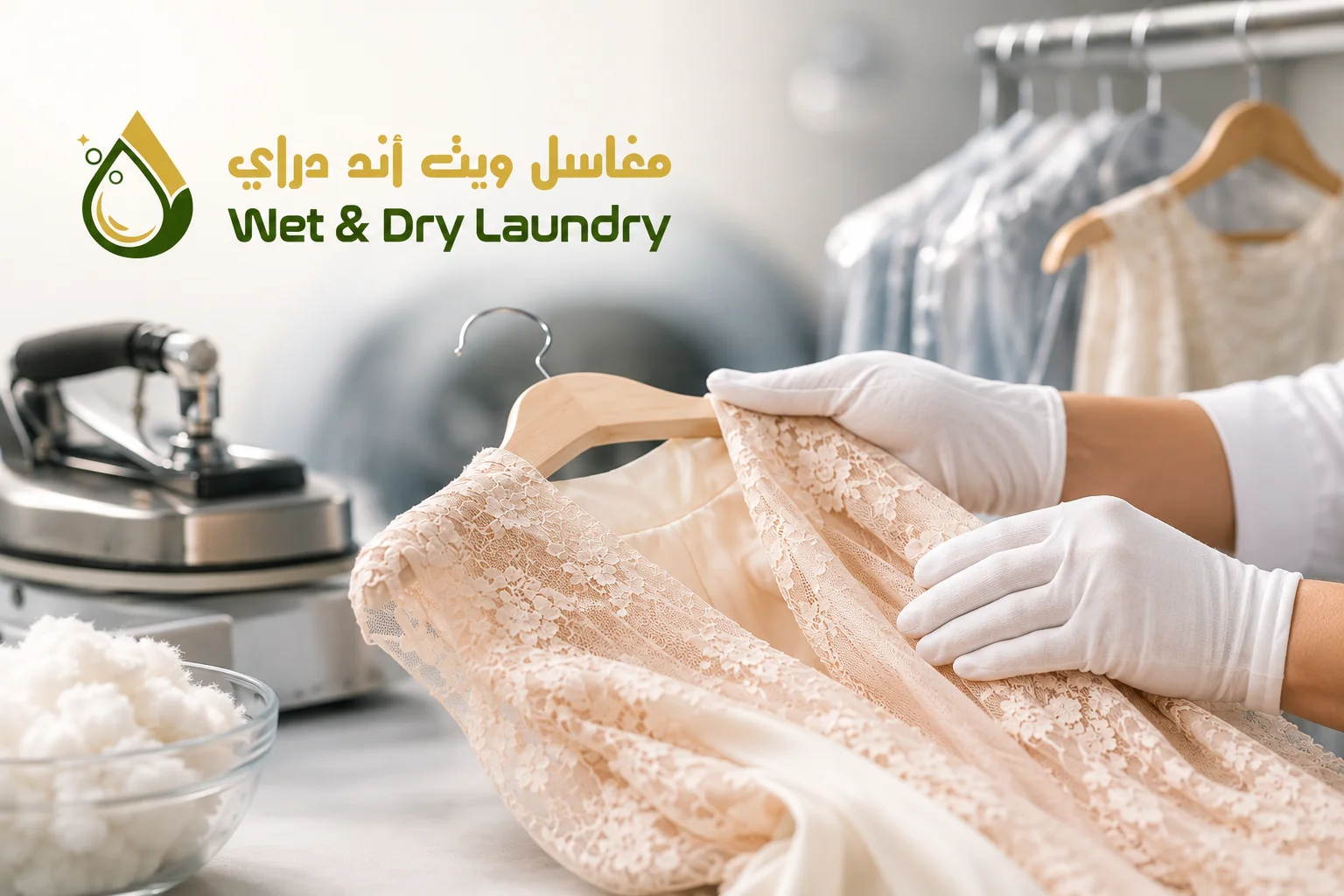
What Delicate Fabric Dry Cleaning Actually Means
Delicate fabric dry cleaning is a controlled cleaning process designed for materials that may be damaged by conventional washing. That includes fabrics such as silk, chiffon, velvet, lace, wool, cashmere, embellished garments, and structured formalwear. These pieces often contain fragile fibers, specialty dyes, linings, trims, or construction details that can distort under normal laundry conditions.
The term can be misleading because dry cleaning is not always completely “dry.” It refers to cleaning with specialized solvents rather than standard water-heavy washing. The right process depends on the fabric itself, the garment construction, and the type of soil or stain present. In some cases, wet cleaning under highly controlled settings may be safer than solvent cleaning. In others, solvent-based treatment is the better choice.
That is where professional judgment becomes the real service. A care label helps, but it does not tell the whole story. An experienced fabric care team looks at fiber content, dye stability, embellishments, and wear patterns before deciding how a piece should be treated.
Why Delicate Fabrics Fail in Regular Washing
Most damage does not happen because a garment was cleaned. It happens because it was cleaned with the wrong method.
Silk can lose its sheen or develop watermarks. Wool can shrink, harden, or felt when exposed to heat and agitation. Lace can snag or stretch. Beading and sequins can loosen under rough handling. Structured garments such as blazers, gowns, and formal dresses may lose shape if the shell fabric and inner layers react differently during washing.
Even when visible damage is minor, the overall finish often changes. A garment may look flatter, feel rougher, or drape differently. For premium wardrobes, that is a real loss in value.
Delicate Fabric Dry Cleaning for Luxury and Everyday Pieces
There is a tendency to think delicate fabric dry cleaning is only for designer labels or special occasions. In reality, many everyday garments benefit from the same level of precision. Officewear made from wool blends, premium abayas, pleated skirts, scarves, dress shirts with fine detailing, and lined jackets all require more care than a standard wash cycle can provide.
The difference is consistency. When delicate pieces are cleaned properly from the start, they keep their shape longer, maintain a fresher appearance, and need replacing less often. For busy households and professionals, that reliability matters just as much as stain removal.
How Professionals Assess a Garment Before Cleaning
A quality process starts well before the cleaning machine. Inspection is where preventable mistakes are avoided.
First, the item is checked for stains, discoloration, weak seams, missing buttons, loose embellishments, and previous damage. Then the care team reviews the fabric composition and construction. A silk dress with lining, for example, needs a different approach than an unlined silk blouse. A wool suit with shoulder structure must be handled differently from a soft knit.
Spot treatment is also chosen carefully. Aggressive stain removal may solve one problem while creating another, especially on sensitive dyes or textured fabrics. This is why premium service providers rely on fabric-safe chemistry, calibrated equipment, and disciplined quality checks rather than one-size-fits-all cleaning.
The Role of Equipment and Cleaning Solutions
Delicate garments need stable conditions. Temperature, cycle length, solvent purity, moisture control, and finishing pressure all affect the final result. Certified machinery and professional-grade cleaning solutions are not just technical details. They directly influence fabric safety.
For delicate fabric dry cleaning, lower mechanical stress is often as important as the cleaning agent itself. A high-quality machine allows precise cycle control so fabrics are cleaned without unnecessary friction. Eco-conscious, textile-safe solutions also help preserve softness and color while reducing harsh residue.
This is where premium providers stand apart. Wet & Dry Laundry, for example, emphasizes certified machinery, dedicated wash cycles, and structured quality control because delicate care depends on process discipline as much as operator skill.
Stain Removal on Delicate Fabrics Is Rarely Straightforward
A stain on cotton is one thing. A stain on silk, satin, suede trim, or a beaded evening dress is another entirely.
Oil-based marks, perfume, makeup, food, and perspiration all behave differently depending on the fabric. Some stains become more difficult with time. Others set permanently if treated at home with water, soap, or heat. The challenge is not just lifting the stain. It is doing so without causing ring marks, color loss, or surface damage.
That is why immediate but careful action is best. Blotting gently and keeping the item away from heat is usually safer than attempting a home remedy. Professional treatment gives the garment a better chance of full recovery.
Finishing Matters as Much as Cleaning
A delicate garment can be perfectly cleaned and still look poor if the finishing is rushed. Pressing, steaming, reshaping, and presentation all affect the final appearance.
Wool jackets need structure restored. Silk and satin need smooth, controlled finishing without glaze marks. Pleats must be preserved. Embellished pieces need careful hand finishing around trims and decorative details. Curtains, blankets, and other fine household textiles also benefit from proper finishing because creases, distortion, and uneven shaping are more visible on larger pieces.
This stage is often overlooked by customers until they compare results. Premium care should return an item clean, properly shaped, and ready to wear or use.
When Dry Cleaning Is the Right Choice and When It Depends
Not every delicate item automatically needs classic dry cleaning. Some modern fabrics marked dry clean only may respond well to professional wet cleaning in a controlled environment. Others truly require solvent-based treatment to protect shape, finish, or dye integrity.
This is why the best answer is often it depends. Fabric labels provide a baseline, but real-world garment care depends on condition, construction, and use. A lightly worn wool blazer may need refreshing and pressing more than full cleaning. A heavily soiled formal gown may need staged treatment. Bridalwear, ceremonial garments, and heirloom textiles often require specialized handling beyond routine dry cleaning.
Customers do not need to know every technical detail. They do need confidence that each item will be assessed individually rather than processed in bulk.
What to Look for in a Delicate Fabric Dry Cleaning Service
Trust should be built on visible standards. A premium service should have a clear inspection process, separate handling for specialty items, fabric-appropriate cleaning methods, and quality control before delivery. Hygiene matters too, especially for garments worn close to the skin and for home textiles used daily.
Convenience should not come at the expense of care. Free pickup and delivery, app-based booking, and express options are valuable, but only when backed by disciplined garment handling. For customers with premium wardrobes, the right provider combines both operational ease and meticulous treatment.
It is also worth paying attention to how a service presents finished items. Clean packaging, accurate sorting, and polished return standards signal that the operation values consistency.
Protecting the Pieces You Wear Most Carefully
Delicate garments are often the pieces people rely on most. The abaya is worn for important meetings, the suit is needed for formal events, the dress is saved for family celebrations, or the wool coat carries a season of wear. These are not disposable items, and they should not be treated like standard laundry.
Delicate fabric dry cleaning is ultimately about preservation. It protects investment, appearance, and comfort at the same time. When the process is handled with the right equipment, expert judgment, and real attention to detail, clothing lasts longer and looks the way it should.
The best garment care is the kind you do not have to worry about. Just the confidence of opening your wardrobe and finding every piece fresh, refined, and ready for its next wear.